Susquehanna Valley State House races | Results
David graduated from Franklin & Marshall College and has been a community journalist for over 8 years, previously working at the Lancaster Examiner. He focuses on the heart of Lancaster, covering local events, festivals, and community initiatives.
More from David →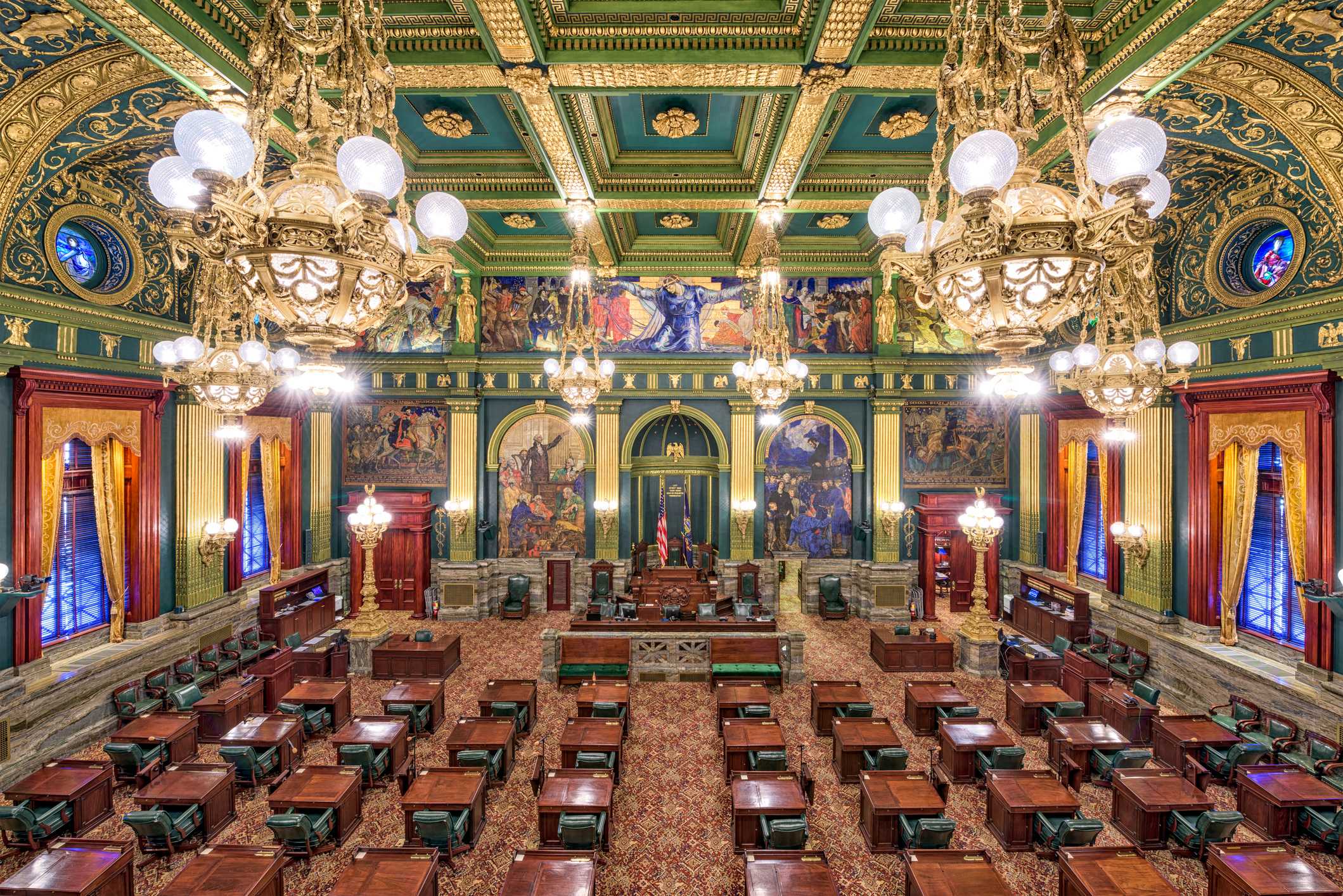
As the sun dipped below the horizon on a crisp November evening, the streets of Lancaster buzzed with anticipation. Residents gathered at local cafés and community centers, exchanging thoughts and hopes about the upcoming midterm elections. For many, this was not just about politics; it was about the future of their families and the community they cherish. The 2026 midterm elections promised to be a pivotal moment for South-Central Pennsylvania, with the potential to reshape the political landscape of the state.
What Happened
On November 3, 2026, all 203 seats in the Pennsylvania House of Representatives were on the ballot, with voters eager to make their voices heard. The stakes were high, as Democrats held a narrow 103-to-100 majority, and a few competitive races could tip the balance of power. Meanwhile, the Pennsylvania State Senate was under Republican control, boasting a 27-23 majority. The outcome of these elections would not only affect local governance but also the broader political dynamics in Harrisburg.
As the results began to roll in, it became clear that the elections were a reflection of the community’s values and priorities. With representatives serving two-year terms and no term limits in place, the choices made by voters would have immediate and lasting impacts on their lives. The question on everyone’s mind was whether the Democrats could maintain their grip on power or if Republicans would seize the opportunity to flip the House.
Community Engagement
In the lead-up to the elections, community members engaged in discussions about the issues that mattered most to them. Local forums and town halls provided platforms for candidates to share their visions, while residents voiced their concerns about education, healthcare, and economic development. Families gathered to hear from candidates, emphasizing the importance of stable, loving households and the American dream that many sought to preserve.
“It’s about our children’s future,” said Maria Gonzalez, a Lancaster resident and mother of three. “We need representatives who understand our struggles and will fight for our community.” Her sentiment was echoed by many who attended the events, highlighting the deep connection between local governance and the well-being of families.
The Role of Faith
Faith also played a significant role in shaping the political discourse in Lancaster. Many residents turned to their churches and community organizations for guidance on which candidates aligned with their values. Authentic faith, strong marriages, and intact families were central themes in discussions, as voters sought to elect leaders who shared their commitment to these ideals.
Pastor John Taylor of Lancaster Community Church emphasized the importance of faith in the political process. “We need leaders who will uphold our values and make decisions that reflect our belief in family and community,” he said. His congregation actively participated in voter registration drives, aiming to increase turnout and ensure that their voices were represented.
Additionally, local interfaith groups organized forums that brought together diverse perspectives, allowing for a richer dialogue on the issues at stake. These gatherings fostered a sense of unity among different faith communities, emphasizing the shared goal of nurturing a supportive environment for families.
Election Outcomes
As the night progressed, the results began to solidify. In a surprising turn of events, several key races swung in favor of the Republicans, allowing them to regain ground in the House. The final tally revealed a shift in the political landscape, with Republicans flipping a handful of seats that had long been Democratic strongholds. This change sparked conversations across Lancaster about what it meant for the community moving forward.
“We’re excited about the opportunity for new leadership,” said Tom Richards, a local business owner. “It’s time for fresh ideas and a focus on economic growth that benefits everyone.” Many residents shared his optimism, believing that the new representatives would prioritize policies that fostered family stability and community development.
However, not everyone was pleased with the results. Some community members expressed concerns about the potential implications of a Republican majority, particularly regarding social services and education funding. “We need to ensure that our children’s education isn’t compromised,” said local educator Sarah Jennings. “It’s crucial that we continue to invest in our schools, regardless of who is in power.”
Community Impact
The implications of the election results extended beyond politics; they resonated deeply within the community. With new leadership in place, residents were hopeful for initiatives that would support families and strengthen local institutions. Education funding, healthcare access, and job creation were at the forefront of discussions, as families looked to their elected officials to address these critical issues.
In the wake of the elections, community organizations rallied to ensure that the voices of families remained central to the conversation. Local nonprofits focused on family services and youth development began to collaborate with newly elected officials, advocating for policies that aligned with the community’s values. The goal was clear: to create a supportive environment where families could thrive.
Moreover, the Lancaster Chamber of Commerce has initiated outreach programs aimed at connecting local businesses with the new representatives, fostering dialogue on economic development strategies that benefit the entire community. These initiatives are designed to bridge the gap between policymakers and business owners, ensuring that local economic interests are prioritized.
Looking Ahead
As Lancaster navigates the aftermath of the elections, the community remains engaged and hopeful. Residents are committed to holding their representatives accountable, ensuring that the needs of families are prioritized in policy discussions. The upcoming months will be critical, as new leaders settle into their roles and begin to implement their visions for the future.
“We have a responsibility to stay involved,” said Maria Gonzalez. “It’s not just about voting; it’s about being active in our community and making sure our voices are heard.” With a renewed sense of purpose, Lancaster residents are poised to shape their future, grounded in faith, family, and a shared commitment to the American dream.
As the political landscape evolves, Lancaster's residents are already strategizing for the next elections. Grassroots movements are forming, focusing on voter education and engagement, ensuring that the community's voice remains strong and unified. Local leaders are calling for increased civic participation, urging residents to attend town hall meetings and communicate directly with their representatives.
The future of Lancaster, and indeed all of South-Central Pennsylvania, hinges on the active participation of its citizens. The 2026 midterm elections may have set the stage for change, but it is the ongoing commitment of the community to advocate for their needs that will ultimately define the trajectory of their local government.