Wrong number scam uses mistaken texts to target victims
David graduated from Franklin & Marshall College and has been a community journalist for over 8 years, previously working at the Lancaster Examiner. He focuses on the heart of Lancaster, covering local events, festivals, and community initiatives.
More from David →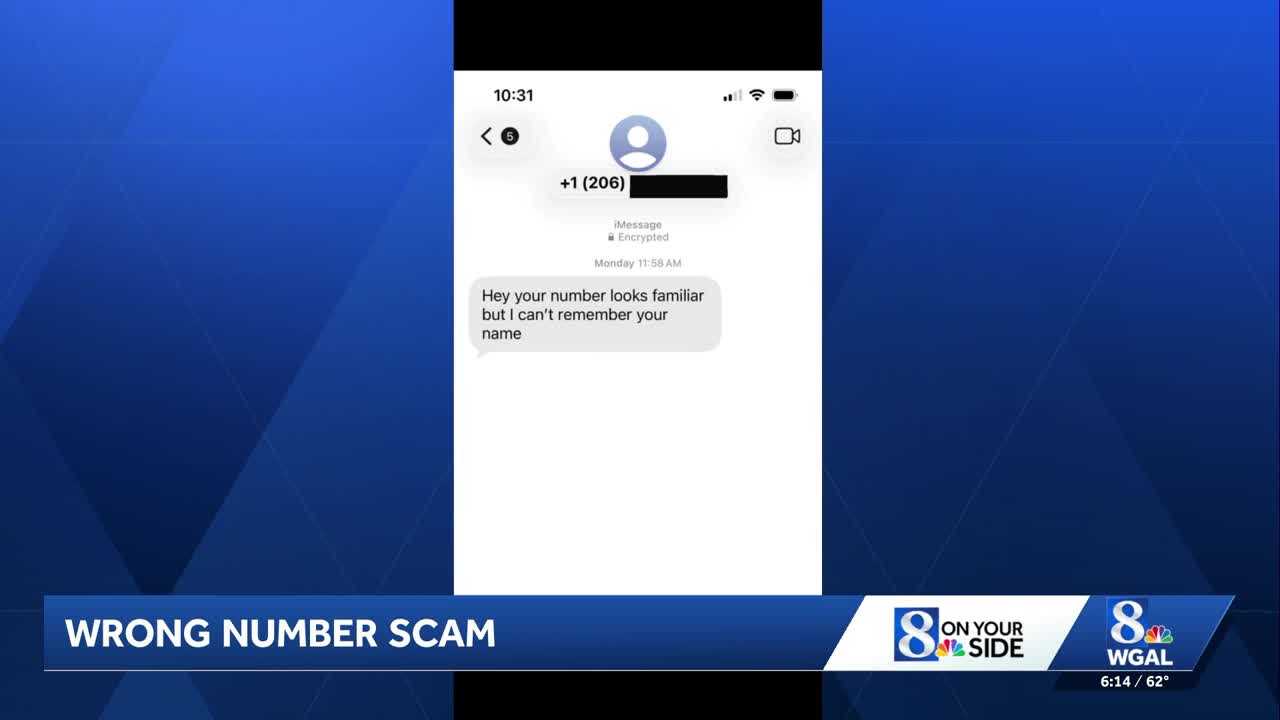
It was a typical Tuesday afternoon when Sarah Thompson, a resident of Lancaster, received a text from an unknown number. "Hey, is this Mike?" the message read. Confused but curious, Sarah decided to respond, thinking it might be a case of mistaken identity. Little did she know, this innocent interaction would lead her down a path of deception that many in the community are now facing.
What Happened
In recent weeks, Lancaster residents have reported a surge in scams that begin with seemingly harmless text messages. According to local authorities, these scams often start with a mistaken text, leading the recipient into a conversation with a scammer. The initial message, typically innocuous, is designed to elicit a response, which then opens the door for the scammer to manipulate the conversation.
As Sarah continued her exchange, the conversation took a turn. The sender, who claimed to be Mike, started asking questions about Sarah’s personal life and finances. Before long, Sarah found herself sharing more than she intended. Unfortunately, she is not alone; many residents have fallen victim to this tactic, leading to significant financial losses.
According to the Lancaster County District Attorney’s Office, scammers are increasingly using technology to exploit unsuspecting individuals. This particular scam preys on the natural human tendency to respond to messages, especially when they seem harmless. The DA's office has reported that victims have lost thousands of dollars as a result of these fraudulent schemes.
Understanding the Scam
Experts suggest that the scam's effectiveness lies in its subtlety. Unlike more aggressive scams that might involve phone calls or emails demanding immediate action, these text messages create a sense of normalcy. The sender often engages in friendly conversation, making it easier for victims to let their guard down. This tactic is particularly effective in tight-knit communities like Lancaster, where residents often feel a sense of familiarity with one another.
Local psychologist Dr. Emily Wu explains, “People are inherently social beings. When someone reaches out, even if it’s a wrong number, there’s a natural inclination to respond. Scammers exploit this social instinct, and it can lead to devastating consequences.”
Community Reaction
The community’s response to these scams has been one of concern and vigilance. Local organizations, including the Lancaster Chamber of Commerce, are stepping up to educate residents about the dangers of these scams. Workshops and informational sessions are being organized to help people recognize the signs of fraud and protect themselves from becoming victims.
Residents like Sarah are sharing their stories, hoping to raise awareness and prevent others from experiencing similar situations. “I never thought I would fall for something like this,” Sarah said. “It’s just a reminder to be cautious and not share personal information with strangers.”
Local community leaders are also taking action. Mayor Danene Sorace has called for a town hall meeting to address the rising concerns. “We need to foster an environment where our residents feel safe and informed,” she stated. “Education and communication are our best tools against these scams.”
Building Awareness
In an effort to combat these scams, local law enforcement is also urging residents to report any suspicious messages they receive. The Lancaster City Police Department has set up a hotline specifically for reporting scams, encouraging residents to be proactive in protecting themselves and their neighbors.
“We want to empower our community to recognize these scams before they escalate,” said Police Chief Mark Smith. “Education is key. The more people know about these tactics, the less likely they are to fall victim.”
In addition to the hotline, the police department is collaborating with local schools to educate students about digital literacy and online safety. “Our youth are often the most vulnerable,” Chief Smith added. “By teaching them early, we can help create a generation that is more aware and cautious.”
What's Next
Looking ahead, the community is determined to strengthen its defenses against these scams. There are plans for a series of community forums where residents can come together to learn more about cybersecurity and the importance of safeguarding personal information. The Lancaster County government is also working on creating resources that will be available online for residents to access at their convenience.
As Sarah reflects on her experience, she emphasizes the importance of community solidarity in facing these challenges. “We need to look out for each other,” she said. “If we can share our experiences and educate one another, we can make Lancaster a safer place for everyone.”
Local businesses are also joining the effort. Many are offering free workshops to their customers, focusing on how to identify scams and protect personal information. “As a business owner, I feel a responsibility to educate my customers,” said local shop owner Mark Henderson. “We’re all in this together.”
Resources for Residents
For those who want to learn more about how to protect themselves from scams, several resources are available. The Federal Trade Commission offers valuable information on recognizing and avoiding scams, while the Better Business Bureau provides insights into local businesses and consumer protection.
Additionally, the Lancaster Public Library is hosting a series of workshops focused on digital literacy and safety. These workshops are designed to equip residents with the knowledge and tools they need to navigate the digital landscape safely. “Knowledge is power,” said librarian Emily Carter. “We want to ensure that everyone in our community feels confident and secure when using technology.”
Furthermore, the local chapter of the AARP is offering resources specifically tailored for seniors, who are often targeted by scammers. “We want to make sure our older residents are not left vulnerable,” said AARP representative Linda Martinez. “We’re here to help educate and protect them.”
Conclusion
As Lancaster continues to grapple with these scams, the community's response is a testament to its resilience and commitment to protecting one another. By coming together, sharing experiences, and educating each other, residents are not only fighting back against scammers but also reinforcing the bonds that make Lancaster a vibrant and caring community.
Sarah's story serves as a poignant reminder of the importance of vigilance in our increasingly digital world. As we navigate the challenges of modern technology, let us remember to look out for one another, ensuring that our community remains a safe haven for all.